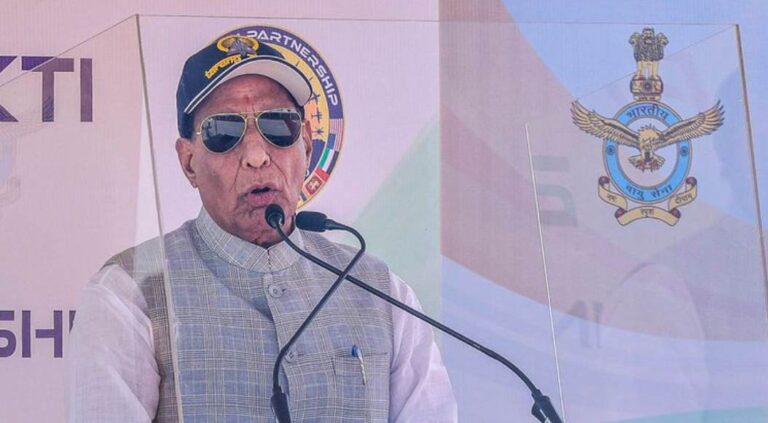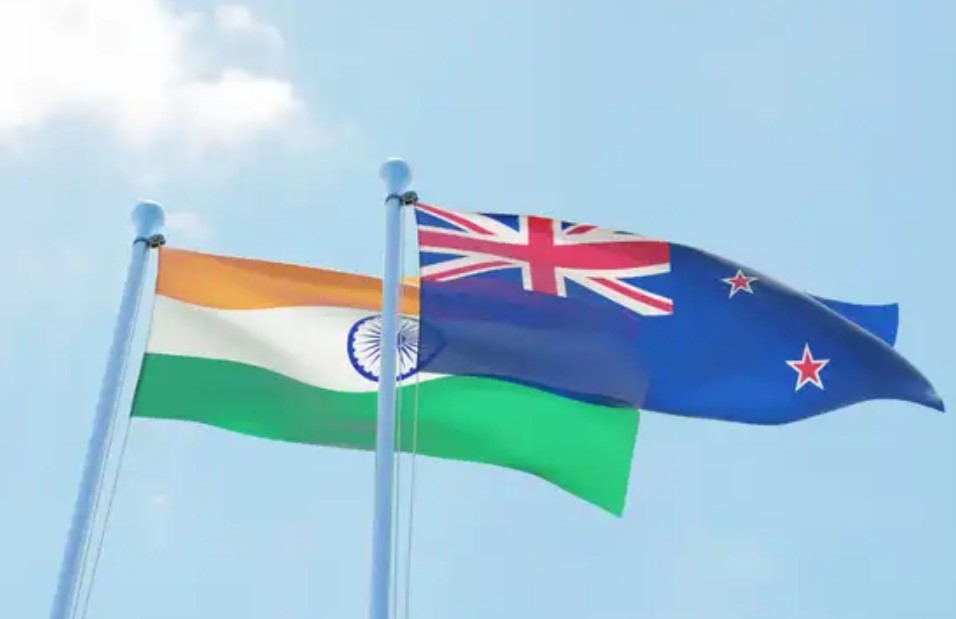
In a historic move for bilateral relations, Prime Minister Narendra Modi and New Zealand Prime Minister Christopher Luxon have officially announced the conclusion of a landmark Free Trade Agreement (FTA). Finalized in a record nine months following negotiations initiated in March 2025, the deal signals a powerful political commitment to deepening economic and strategic ties.
The agreement aims to double bilateral trade within the next five years and secure a massive USD 20 billion investment from New Zealand into India over the next 15 years.
Key Economic Pillars
The FTA is designed to be a “catalyst” for innovation and market access across several critical domains:
- Tariff Reductions: New Zealand will remove or reduce tariffs on 95% of its exports to India. Conversely, India’s average tariffs will drop from 16.2% to roughly 9.06% over the next decade.
- Investment Commitment: Mirroring the EFTA model, New Zealand’s USD 20 billion investment pledge includes a rebalancing mechanism, allowing for the suspension of trade concessions if investment targets are not met.
- Sector Exclusions: To protect sensitive domestic industries, India has excluded roughly 30% of tariff lines, including dairy, sugar, gems and jewelry, and arms.
Breakthroughs in Mobility and Services
This agreement marks several “firsts” for New Zealand’s trade policy, particularly regarding the movement of people and specialized services:
| Category | Key Provisions |
| Education | No numerical caps on student visas; guaranteed 20 hours/week work rights for Indian students. |
| Post-Study Work | Up to 3 years for STEM Bachelors and Masters graduates; up to 4 years for PhD holders. |
| Professional Visas | A new “Temporary Employment Entry” visa for up to 5,000 Indian professionals (IT, Engineering, Healthcare) to stay for up to 3 years. |
| Cultural/Traditional | Specific pathways for “iconic” roles: AYUSH practitioners, Yoga instructors, and Indian chefs. |
| Youth Mobility | A Working Holiday Visa for 1,000 young Indians annually for a 12-month duration. |
Strategic and Institutional Growth
Beyond trade numbers, the FTA introduces modern frameworks to ensure long-term cooperation:
- Health & Traditional Medicine: For the first time, New Zealand has signed a dedicated annex to facilitate trade in traditional medicine and health services.
- MSME Support: Special provisions will improve trade-related information access and institutional linkages for small and medium enterprises.
- Rules of Origin (ROO): A robust framework has been established to prevent trade circumvention and ensure the integrity of preferential access.
About the Author