Delhi Gasps Under ‘Severe’ Smog: GRAP Stage-IV Invoked
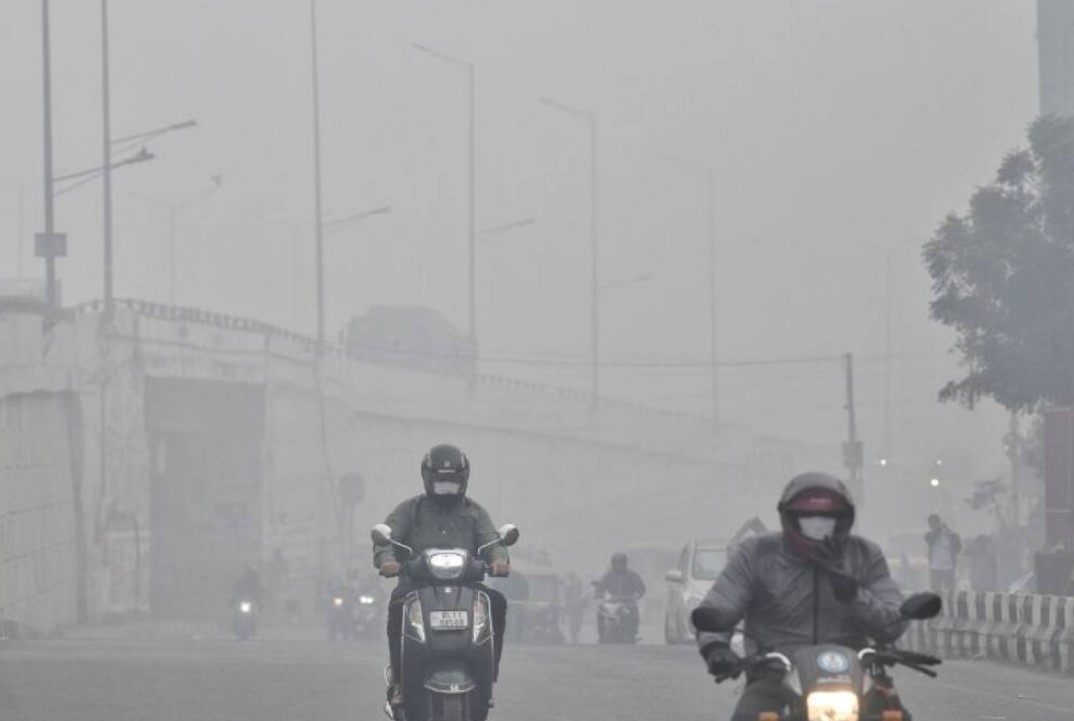
Delhi-NCR woke up to a toxic blanket of smog on Tuesday morning as the Air Quality Index (AQI) hit a “hazardous” 413 by 8:00 AM. With visibility significantly impaired and health risks soaring, authorities have moved to the highest level of emergency response.
Current Pollution Landscape
The Central Pollution Control Board (CPCB) reported that while the city average sits in the ‘Severe’ category, specific hotspots are witnessing even more alarming levels:
- Anand Vihar: 466 (Severe)
- Ashok Vihar: 444 (Severe)
- Chandni Chowk: 425 (Severe)
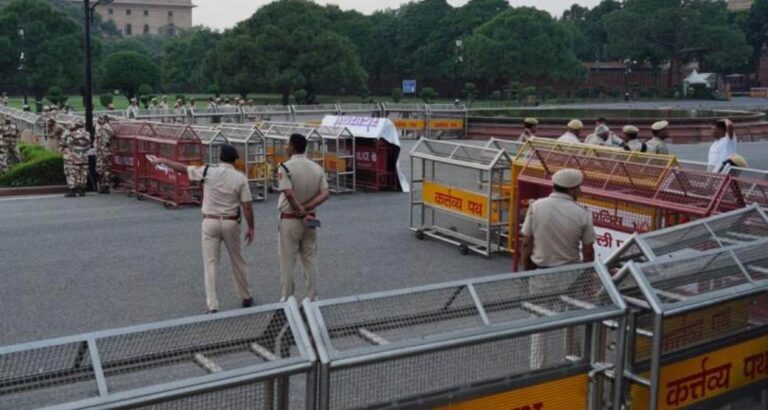
- India Gate/Kartavya Path: 384 (Very Poor)
Emergency Measures: GRAP Stage-IV
In light of the crisis, the Commission for Air Quality Management (CAQM) has activated Stage-IV of the Graded Response Action Plan (GRAP). This is the final and most stringent tier of intervention, which includes:
- Vehicle Restrictions: Strict bans on non-essential truck traffic and older diesel vehicles.
- Dust Control: Deployment of truck-mounted water sprinklers across major arteries.
- Zero-Tolerance Policy: Chief Minister Rekha Gupta emphasized that the government will strictly penalize all pollution sources with no waivers for PUC (Pollution Under Control) violations.
Strategic Government Response
Following a high-level review at the Delhi Secretariat led by Environment Minister Manjinder Singh Sirsa, several long-term and immediate transit shifts were announced:
- Electric Mobility: Exploring pooled electric bus services across the NCR.
- Transit Optimization: Rationalizing DTC bus routes and issuing new operational guidelines for e-rickshaws.
- Enforcement: Integrated coordination between the Delhi Traffic Police, PWD, and the DPCC to ensure ground-level compliance.
Understanding the AQI Scale
To put these numbers in perspective, the CPCB uses the following brackets:
| AQI Range | Category |
| 0–50 | Good |
| 51–100 | Satisfactory |
| 101–200 | Moderate |
| 201–300 | Poor |
| 301–400 | Very Poor |
| 401–500 | Severe |
About the Author